

Financial wellness for your life and work
Learn to manage your income to maximize your money, and in turn, maximize your life.
Financial wellbeing isn't just about keeping track of income and expenses, it's about having the ability to make smart money decisions, reduce financial stress, and plan for a stable future. Strong financial wellbeing directly impacts your personal life, productivity, and your ability to achieve short-, medium-, and long-term financial goals.
What financial wellbeing means:
Financial wellbeing is the ability to manage your economic resources effectively, meeting current needs, preparing for unexpected events, and building a solid future. Good financial management provides:
Peace of mind and personal stability
Reduces money-related anxiety and allows focus on life goals.
Greater resilience to unexpected events
Be prepared for emergencies without compromising financial goals.
Healthier relationships
Avoid financial conflicts with family or colleagues due to lack of control or planning.
Work productivity
People with clarity about their finances perform better, stay focused, and show higher engagement.
Key areas for effective money management
Personal budgeting
Plan income and expenses according to needs, wants, and financial goals.
Financial planning
Short-, medium-, and long-term strategies, including saving, investing, and protection.
Saving and investing
Manage funds to reduce risk and optimize returns.
Loans and insurance
Understand credit options and protect your assets against unforeseen events.
Reliable financial advice
Distinguish objective information from biased advice aimed at selling products.
How to manage your money
Managing your finances means deciding how to use your income to achieve personal and professional goals, taking into account your economic situation and life stage. One effective strategy to organize spending is the 50-30-20 rule, which balances needs, wants, and savings in a simple way:
Essential Needs
housing, food, transportation, and basic utilities
Lifestyle & Discretionary
leisure, hobbies, dining out, or travel
Savings & Debt Repayment
emergency fund, long-term savings, or debt reduction
This rule ensures essentials are covered, allows enjoyment of your lifestyle without excess, and builds a financial cushion for the future.
Practical example: AED 25,000 monthly income
Suppose a monthly income of 25,000 AED, organized using the 50-30-20 rule:
| Category | Subcategory | Amount (AED) | % of Income |
|---|---|---|---|
| Essential Expenses | Rent/Mortgage | 6,000 | 24% |
| Essential Expenses | Utilities (water, electricity, internet) | 1,500 | 6% |
| Essential Expenses | Food | 3,000 | 12% |
| Essential Expenses | Transportation & fuel | 2,000 | 8% |
| Total Essential Expenses | 12,500 | 50% | |
| Discretionary Expenses | Entertainment & outings | 3,000 | 12% |
| Discretionary Expenses | Shopping & hobbies | 2,500 | 10% |
| Discretionary Expenses | Dining out & cafés | 2,000 | 8% |
| Total Discretionary Expenses | 7,500 | 30% | |
| Savings & Debt Repayment | Emergency fund / savings / debt repayment | 5,000 | 20% |
With this breakdown, after covering obligations, essentials, and wants, 5,000 AED remains for savings or debt repayment, allowing:
- Building an emergency fund of 3–6 months of mandatory and essential expenses.
- Saving for investments, education, or long-term plans
- Maintaining financial stability and the ability to respond to unexpected events
Saving and investing
Why Save?
Helps manage emergencies and achieve future goals. It's recommended to allocate at least 10–15% of monthly income, divided across short-, medium-, and long-term accounts.
LiaPay saving funds
A tool that makes it easy to save automatically according to personal goals and spending habits. You can create multiple funds (e.g., vacation fund, emergency fund, big-purchase fund) and allocate a fixed amount or percentage of your income automatically. This ensures discipline, visibility of your goals, and the ability to accumulate savings without affecting your daily budget.
Investing
Investments differ from savings in several ways, but they often offer the potential for significantly higher returns over the same time frame. There are many types of investment options, with common examples including stocks and shares, mutual funds, fixed-income bonds, and both corporate and government bonds.
Tips for managing investment risks
- Maintain a diversified portfolio with stocks from companies of different industries, sizes, and types.
- Focus on long-term investing to ride out short-term market volatility.
- Avoid trying to time the market, prices can rise quickly as buyers rush in and fall just as fast when investors take profits.
- Seek professional advice if you're not an experienced investor.
Effective financial planning
Creating and monitoring a medium- or long-term financial plan doesn't have to be difficult or time-consuming. An effective financial plan should be:
Budget tools and tracking
To organize finances effectively, it's recommended to:
Create a monthly budget
plan expected income and expenses.
Forecast cash flow
estimate income and expenses for the next 3–6 months.
Track actual spending
compare planned vs. actual and adjust habits as needed.
Insurance and financial protection
Insurance safeguards against financial emergencies:
Mandatory
health, car, housing
Optional
life, education, retirement plans
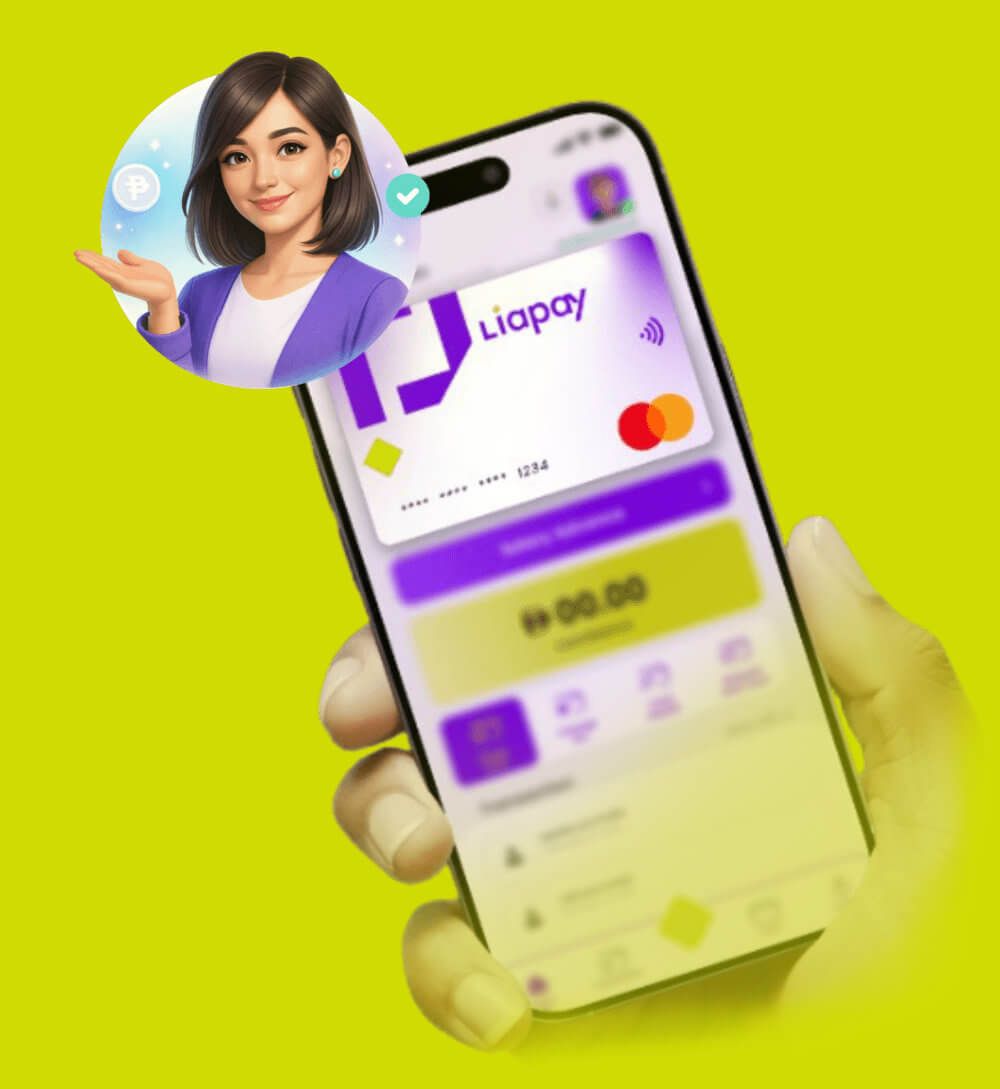
Meet LIA – Your AI Financial Wellness Assistant
Having clear financial guidance enables informed decisions, from credit card payments to long-term savings plans. That's where LIA comes in, our AI financial wellness assistant inside the LiaPay app. She's a great first step to start learning how to manage your money better.
Personalized financial advice for short, medium, and long-term planning.
Savings guidance tailored to your unique financial profile.
Helpful reminders to keep you on track with your money goals.
Clear, actionable steps so you know exactly what to do in any financial situation.
She's the first of her kind in the UAE, and she's already doing amazing. LIA will become your money's best friend, always got your back!
Regulations
Knowing local regulations is also crucial for managing debt legally and protecting finances. For instance, in countries like the United Arab Emirates, personal insolvency laws protect residents and citizens in debt, decriminalizing financial obligations and offering the opportunity to reorganize finances. Courts appoint experts to collaborate with debtors and creditors to create a repayment plan of up to three years, ensuring transparency and stability.
These regulations strengthen consumer security and foster a reliable financial environment, allowing individuals to maintain productivity and income generation while resolving financial challenges.
Conclusion
A holistic approach to financial wellbeing enables efficient management of income and expenses, planning for short- and long-term goals, protecting assets from unexpected events, and achieving economic stability. LiaPay full financial ecosystem and its saving funds play a key role in this approach, ensuring consistent, visible savings aligned with your goals.